Concrete Driveway Installation Near Regions Hospital | St Paul
The neighborhoods surrounding Regions Hospital on Jackson Street have a distinct character. You’ll find a mix of older craftsman bungalows, mid-century two-stories, and a handful of newer infill builds packed onto narrow lots. Most of these homes were built decades before modern driveway standards existed. That means a lot of driveways in this area are cracked, heaved, or simply worn out from years of Minnesota freeze-thaw cycles.
Winter hits driveways hard anywhere in St. Paul. But homes within a few blocks of the hospital sit in a dense urban grid — snowplows, street parking, heavy foot traffic — all adding extra stress to concrete surfaces. Water pools at the edges where the curb meets the apron. It freezes. It expands. That repeated pressure breaks down even solid concrete from the inside out. We’ve seen it on block after block out here.
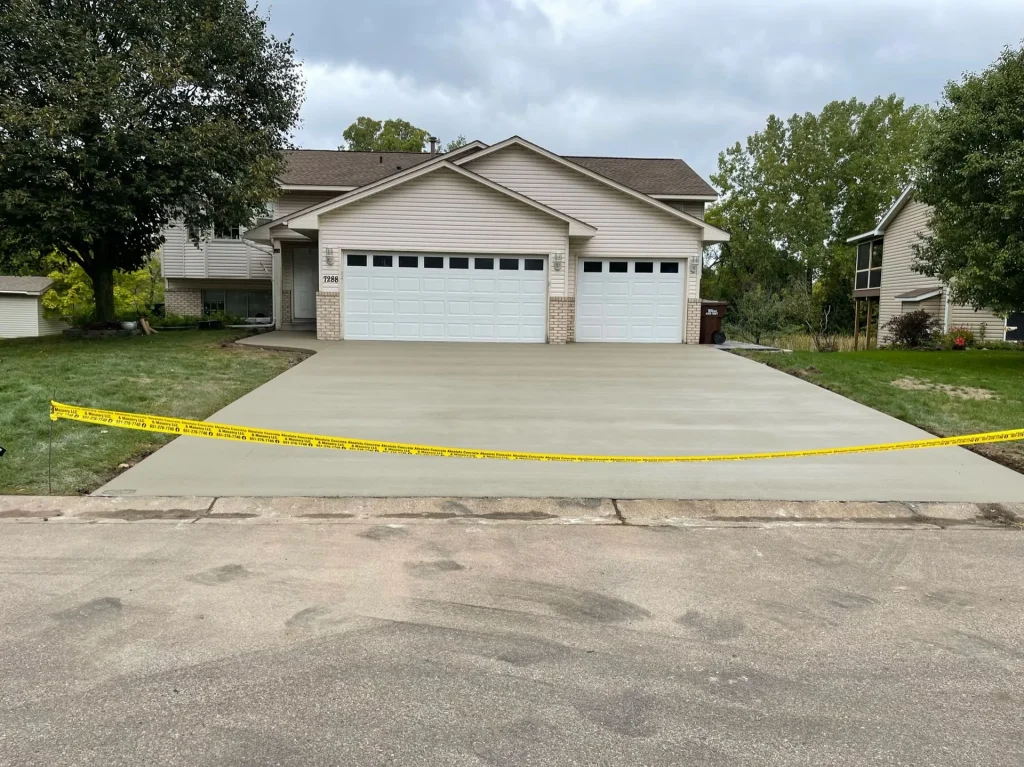
Homeowners near the Fuller Avenue and Marion Street corridors often deal with a specific problem: driveways poured flush with the sidewalk that have since settled unevenly. This creates a lip at the street end that catches snowblowers and scrapes the undercarriage of low vehicles. Sound like your situation? A proper replacement here means addressing the grade from the apron all the way back to the garage slab — not just patching the surface. Give us a call and we can take a look before you commit to anything.
Lot sizes in this part of St. Paul tend to be compact. Many driveways are single-car width, sometimes as narrow as nine or ten feet. That tight footprint actually makes concrete a better choice than asphalt — a thinner concrete pour holds its edge definition better on a narrow drive. Some older homes in this corridor were originally built with fiber-reinforced board underlayment materials, a practice covered under evaluation reports for structural board products, though modern concrete base preparation has largely replaced those methods. Plus, concrete handles the weight of delivery trucks and rideshare vehicles that constantly circulate through the neighborhood given the hospital’s proximity.
Concrete color and finish matter more here than people expect. Because homes sit close together and close to the street, your driveway is highly visible from the sidewalk. A brushed finish with a clean broom texture gives good traction without looking industrial. Some homeowners near the hospital campus opt for a light exposed aggregate finish that ties into the older brick and stone details on their homes — it reads as intentional rather than plain.
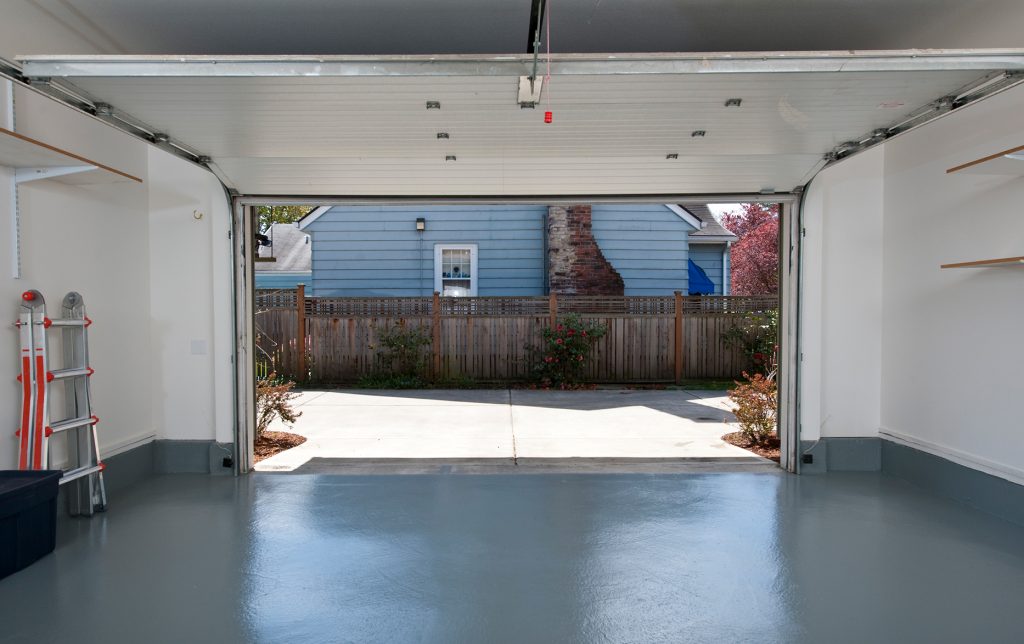
Here’s the thing about scheduling: Regions Hospital generates significant traffic on surrounding streets, especially during shift changes. Concrete needs unobstructed access for the truck and time to cure without vehicles rolling over it. A good contractor walks the site ahead of time, notes where the truck needs to stage, and plans the pour timing around the neighborhood’s traffic patterns — not just show up and hope for the best. We’ve learned that lesson firsthand on these blocks. Real coordination required.
If your home sits within a few blocks of the hospital campus, your driveway is also subject to St. Paul’s right-of-way permit requirements for any work that touches the curb cut or public apron. That permit process adds a step. But it also means the finished apron meets city grade and drainage standards — which protects your driveway investment long-term and keeps you clear of code issues down the road.
There’s also a mix of permit requirements to sort through.
The City of St. Paul requires a right-of-way permit when driveway apron work touches the public boulevard. In this neighborhood, many lots have aprons that connect directly to city-controlled curb cuts. Getting that permit filed correctly and on time keeps your project on schedule. Homeowners who’ve tried to skip that step have run into stop-work orders. We handle this as a standard part of the job — not an afterthought. We’re licensed with the city and have been pulling these permits on East Side projects for years.
The aesthetic context of this neighborhood matters too. This isn’t a cookie-cutter subdivision. Homes here have character — neighbors notice what you do to your property. A clean, well-finished concrete driveway with straight edges and a proper broom finish fits the look of these older streets. It adds to the block rather than standing out awkwardly. That attention to finish work is something East Side homeowners consistently ask for, and it’s something we take seriously on every pour in this corridor.
What Makes the Regions Hospital Neighborhood Distinct for Concrete Work
The blocks surrounding the hospital sit in one of St. Paul’s most densely built residential corridors. Streets like Arcade Street and East Seventh run through a mix of older single-family homes, duplexes, and infill construction. That variety creates real challenges for concrete driveway work that you won’t find in newer suburban neighborhoods. We’re out in this part of the city regularly — it’s familiar territory for us.
Many homes in this area were built in the early 1900s. Their original driveways — if they have one at all — were poured decades ago or were never replaced after years of freeze-thaw cycles. St. Paul winters are hard on concrete. The ground heaves. Slabs crack. Edges crumble.
Homeowners near Regions Hospital deal with this every spring when the frost finally breaks. The soil in this part of St. Paul makes it worse, too. Much of the East Side sits on clay-heavy ground — clay holds moisture, and when temperatures drop, that moisture expands and pushes against your slab from below. Most of the homes along Fuller Avenue and the surrounding blocks were built on this same clay base, and it shows up in the damage patterns we see year after year. A driveway poured without proper base preparation won’t last. We account for this by grading the subbase carefully and using the right aggregate depth before any concrete is placed. That step matters more here than it does in areas with sandier soil profiles.
Lot sizes near the hospital tend to be narrow. Many driveways run tight between a home’s foundation and a property line fence — which limits equipment access. We work with smaller pours and careful forming in these situations. A standard residential crew set up for wide suburban lots has to adjust its approach on East Side streets. We know that going in.
Traffic patterns around the hospital also affect scheduling. It operates around the clock and draws steady vehicle and pedestrian traffic on nearby streets. Early morning concrete pours — which we often prefer for curing conditions — require coordinating with street parking and delivery windows that shift based on hospital activity. If you’re near the corner of Arcade and Bush, we can usually get staged and set up before the morning shift change hits. Residents on Fuller Avenue and the surrounding blocks understand this rhythm. So do we.
frequently asked questions
Yes, shift changes at Regions Hospital create real congestion on surrounding streets, so timing matters. We schedule pours early in the morning before peak traffic hits. The concrete truck needs clear staging room, and the slab needs time to cure without vehicles rolling over it. We walk your site first and plan around the neighborhood's actual traffic patterns — not just show up and hope.
That lip happens when older slabs settle unevenly over clay-heavy soil — which is common on these blocks. Clay holds moisture, freezes, and pushes up against the slab from below. Patching the surface won't fix it. A proper replacement means regrading from the apron all the way back to the garage slab so your driveway sits level and drains correctly.
Yes, St. Paul requires a right-of-way permit for any work that touches the public apron or curb cut. Homes within a few blocks of the hospital campus fall under this requirement. It adds a step, but the finished apron will meet city grade and drainage standards — which protects your investment and keeps you clear of code issues later.