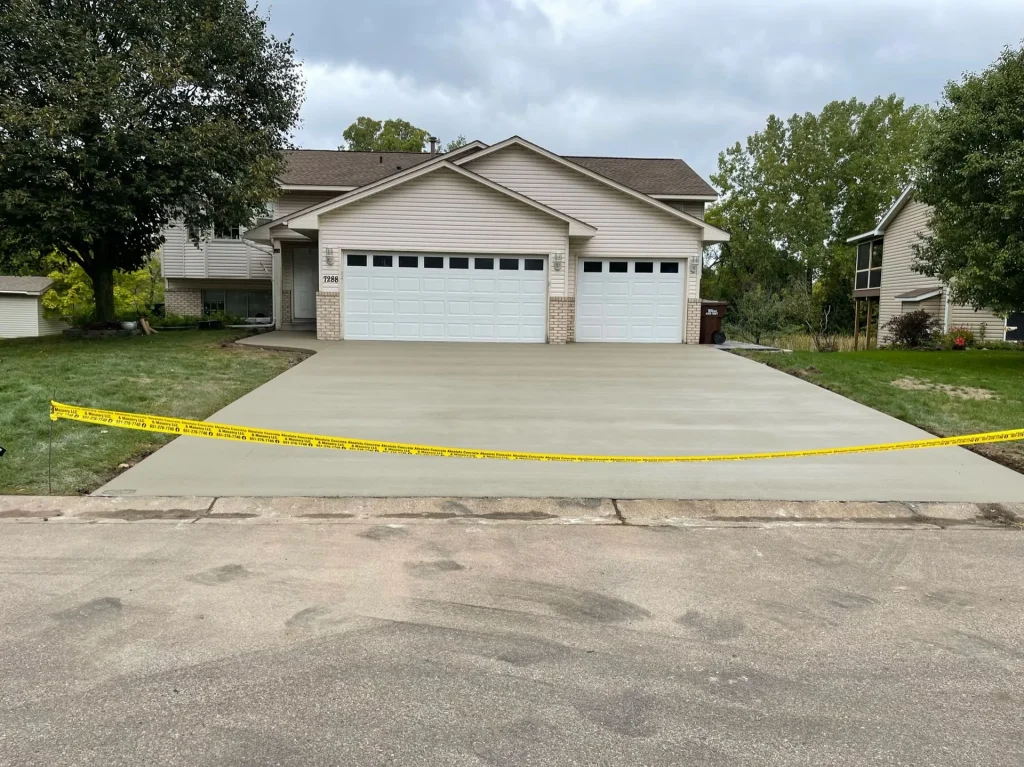
Driveway Concrete Work for Homes Near the Capitol Area
The neighborhoods surrounding the Minnesota State Capitol are some of the most architecturally distinct in all of St. Paul. Streets like Laurel Avenue and Ashland Avenue are lined with late 19th and early 20th century homes — many with narrow lots, tight setbacks, and original concrete or brick driveways that have been patching and cracking for decades.
We’ve worked on a lot of the driveways in this part of the city. You get a feel for what’s underneath before you even start digging — and it’s rarely pretty.
Older driveways in the Capitol Area tend to share a few common problems. The original concrete slabs were poured thin — sometimes only three inches — and the base prep underneath rarely meets modern standards. Decades of freeze-thaw cycles push that weak base up and pull it back down every winter. By the time most homeowners call us, they’re dealing with:
- Slab sections that have heaved or settled unevenly along the apron
- Longitudinal cracking running the full length of the driveway
- Spalling surfaces from years of road salt tracked in from nearby I-35E and University Avenue
- Tree root damage from the large boulevard elms and oaks common on Capitol Area side streets
Sound like your situation?
Replacing a driveway near the Capitol isn’t just a pour-and-go job. Many properties here fall within St. Paul’s Heritage Preservation review zone or sit adjacent to designated historic districts — and that means driveway width, apron placement, and even surface finish can be subject to city review before a permit gets issued. We pull permits through St. Paul’s Department of Safety and Inspections and know what the DSI inspectors look for on residential driveway work in this corridor. If you’re not sure whether your property triggers a heritage review, give us a call — it’s a quick conversation and we can usually tell you right away.
The lots themselves create practical challenges too. Homes on Summit Hill’s eastern edge and along the Rice Street corridor often have driveways running close to property lines, leaving little room for a concrete truck to stage. We plan access routes in advance — sometimes scheduling smaller loads or pump trucks — so we’re not tearing up your neighbor’s lawn or blocking a narrow alley to get the job done.
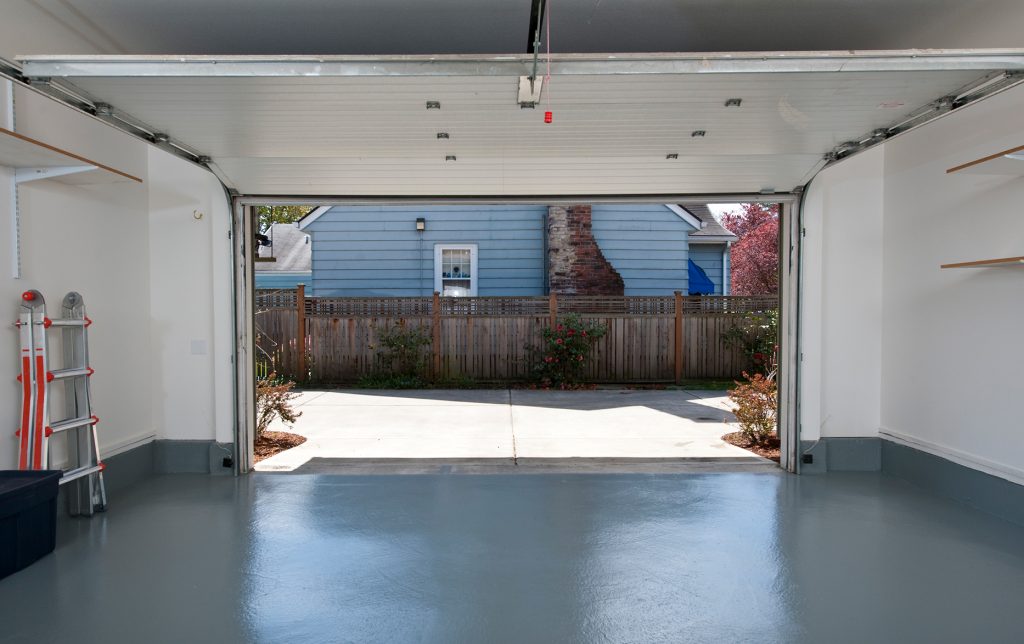
When we replace a driveway in this area, we dig out the failed base material completely. Compacted Class 5 aggregate goes in, and we pour to a minimum four-inch depth — six inches where soil movement is known. Control joints get cut at intervals that account for St. Paul’s temperature swings, which can exceed 100 degrees Fahrenheit between January lows and July highs according to Minnesota DNR climate data. That thermal range is brutal on concrete. Joint placement is what keeps a new slab from cracking the same way the old one did. Homeowners researching what this type of work typically runs can review concrete driveway installation cost estimates to get a general sense of project scope before calling.
Homeowners here also tend to care about curb appeal in a way that matches the character of the neighborhood. A raw broom finish works fine, but we also do exposed aggregate and light stamped borders that complement the brick and stone details common on homes in this part of St. Paul. The goal is a driveway that looks like it belongs on your block — not something that sticks out against a century-old Craftsman or Victorian facade.
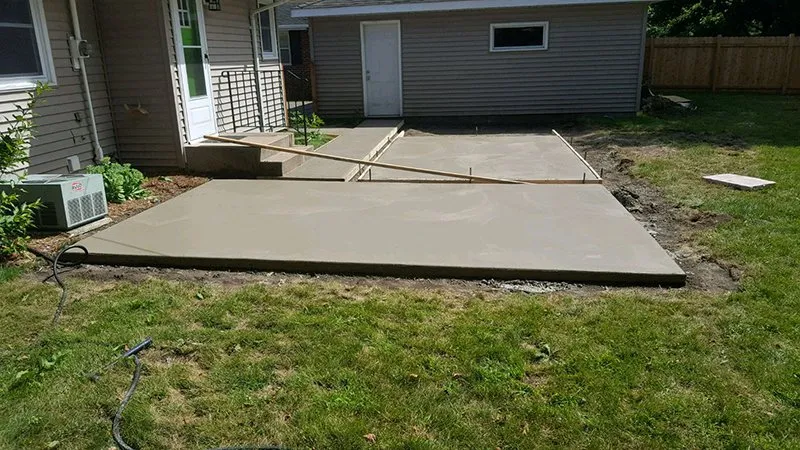
Residents near Rice Street and the blocks east toward Swede Hollow also deal with older utility infrastructure running under their lots. Before any concrete work begins, Gopher State One Call locates are required by Minnesota law. In this neighborhood, utility lines can run in unexpected directions because of how it developed over more than a century. That step isn’t a formality here. It’s a genuine precaution. We’ve been out here enough times to know not to skip it.
This is also a neighborhood where curb appeal carries real weight. Legislators, lobbyists, state agency staff, and historic preservation advocates all move through this district daily. Homeowners here take pride in maintaining properties that match the character of the surrounding architecture. A well-finished concrete driveway with clean edges and a brushed surface fits that standard. Stamped or exposed aggregate finishes are popular on the blocks closest to the Cathedral of Saint Paul, where homes have ornate details worth complementing. Whatever finish you choose, the work needs to hold up to Minnesota winters and look right against 100-year-old brick and stone. We’re licensed through the state of Minnesota and have been doing this work in St. Paul long enough to know what holds up and what doesn’t.
What Makes the Capitol Area Unique for Concrete Projects
The Capitol Area sits on some of the most historically layered ground in Minnesota.
The neighborhood surrounds the Minnesota State Capitol building, which sits on a prominent hill above downtown St. Paul. That elevation matters more than most homeowners realize. Streets like Summit Avenue, University Avenue, and the blocks running north toward Como drop and rise sharply — driveways here deal with grade changes that flat suburban lots never see. A slab poured without accounting for that slope will shed water toward your foundation instead of away from it.
Frost depth is a real factor here too. The Minnesota Department of Transportation sets the frost depth for the Twin Cities metro at 42 inches. The ground beneath your driveway freezes hard every winter — and thaws unevenly in spring. Driveways near the Capitol hill face extra stress because cold air pools in low spots and sun exposure varies block by block. A south-facing driveway on John Ireland Boulevard thaws weeks before a shaded driveway tucked behind a Victorian on Laurel Avenue. So how do you know when it’s time to call? When the heaving and cracking come back faster than they used to — that’s the base failing, not just surface wear. Concrete poured without proper base preparation will crack along those freeze-thaw lines within a few seasons.
The housing stock adds another layer of complexity. Many homes here were built between the 1880s and 1930s. Original driveways — where they exist at all — were often poured in narrow strips designed for single-car access. Modern vehicles are wider. Trucks, SUVs, and minivans overhang the edges of those old slabs. Replacing a narrow strip with a full-width driveway often means cutting into existing landscaping, working around mature boulevard trees, and coordinating with the City of St. Paul’s right-of-way permit requirements. The city requires a permit for any new driveway apron that connects to a public street, and Capitol Area properties may have additional design review considerations on top of that.
The soil composition matters too. This part of St. Paul runs toward heavy clay — and clay holds moisture. Moisture expands when it freezes. That cycle pushes concrete slabs upward and breaks them apart from below. Proper base preparation — typically 4 to 6 inches of compacted Class 5 aggregate — isn’t optional in this neighborhood. It’s the difference between a driveway that lasts 21 years and one that starts heaving within five.
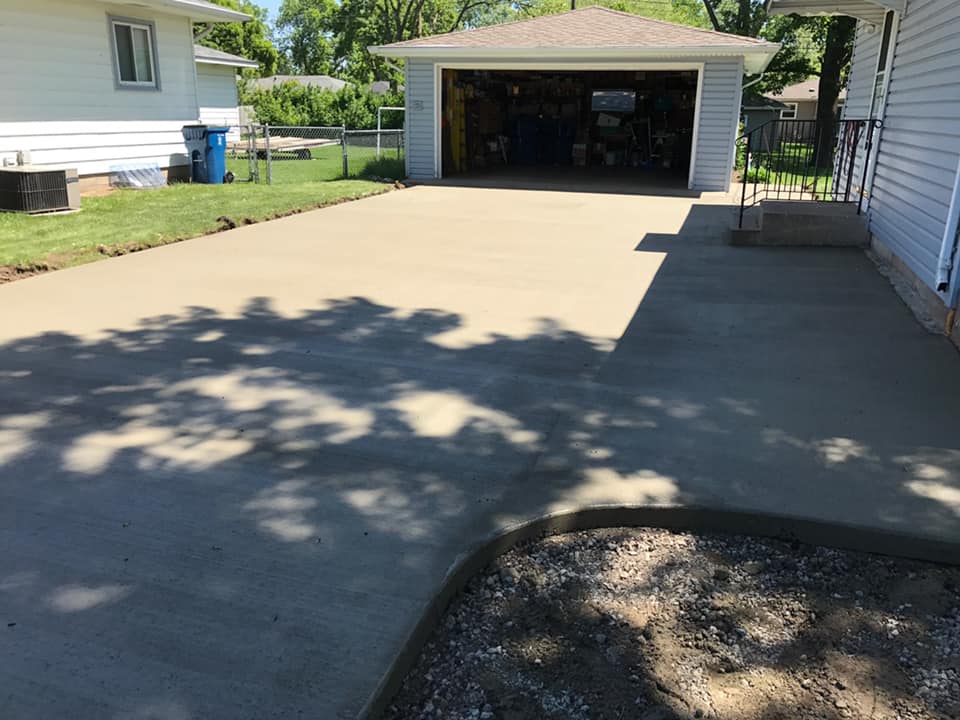
Multi-unit properties and converted homes near the intersection of Western Avenue and University Avenue sometimes have shared or split driveways that need careful planning before any concrete work starts. We look at the layout, the drainage slope, and any shared property lines before we pour anything.
One thing that sets this area apart from other parts of St Paul: the proximity to state and city infrastructure. Utility lines, older water mains, and underground systems run through many of these blocks. Before any dig or demo work, we call 811 to have lines marked. That’s standard practice on every job we take here.
If you’re on the east side of the Capitol grounds near Mounds Boulevard or coming from the Dayton’s Bluff neighborhood, we access your property by heading south on Johnson Parkway and cutting over on Minnehaha Avenue. It keeps us off the more congested downtown streets and gets our crew to your driveway faster.
The older grid streets, the tight lots, the century-old concrete — it’s familiar territory. When we show up to a job here, we’re not figuring it out as we go.
How Our Team Reaches the Downtown St Paul and Capitol Area
We work in the Downtown St Paul and Capitol Area regularly. This part of the city has a mix of older residential streets, historic rowhouses, and properties sitting close to major government buildings. Getting here from our base is straightforward — we know these streets well.
From the west side of the metro, we take I-94 East toward St Paul, exit at Marion Street, and head north toward the Capitol complex. The Minnesota State Capitol dome is a clear landmark. Once you can see it, you’re in the right part of the city. We use John Ireland Boulevard to get around the Capitol grounds and drop into the surrounding residential blocks. If you’re near the Capitol dome itself, we can usually be on-site within 20 minutes.
For jobs closer to the downtown core near Kellogg Boulevard and Wabasha Street, we come in from I-35E North and exit at Kellogg. Right at the edge of the historic Lowertown district. From there, it’s a short drive up toward Cathedral Hill or back toward Rice Park, depending on where the job is.
The streets directly around the Capitol — Summit Avenue heading west, the blocks off University Avenue — tend to have older concrete driveways. Most of these homes were built in the early 1900s, which means the concrete has had well over a century of freeze-thaw cycles working against it. St Paul winters are hard on concrete. Water gets into small cracks, freezes, expands, and breaks the slab apart over time. We see a lot of this specifically in this corridor — it’s one of those areas where the age of the housing stock changes the whole scope of the job.
Properties near Rice Street and Sherburne Avenue are another common area for us. Lots here often have narrow driveways running alongside older brick homes. Tight access is something we plan for before we ever show up — we bring the right equipment for the space, not just standard gear built for wide suburban driveways.
frequently asked questions
Yes, we work in this area regularly and plan for tight access before we ever show up. Homes near the Capitol often have driveways running close to property lines with little room to stage a concrete truck. We schedule smaller loads or pump trucks when needed so we're not blocking your alley or damaging your neighbor's lawn.
It usually does, and we expect it. Older driveways near the Capitol were often poured only three inches thick with poor base prep underneath. We dig out the failed material completely and replace it with compacted Class 5 aggregate before pouring to a minimum four-inch depth. That's the only way to stop the same cracking from happening again.
Yes, some properties in the Capitol Area fall within St. Paul's Heritage Preservation review zone. Driveway width, apron placement, and surface finish can all require city review before a permit is issued. We pull permits through St. Paul's Department of Safety and Inspections and know what DSI inspectors look for on residential driveway work in this corridor.