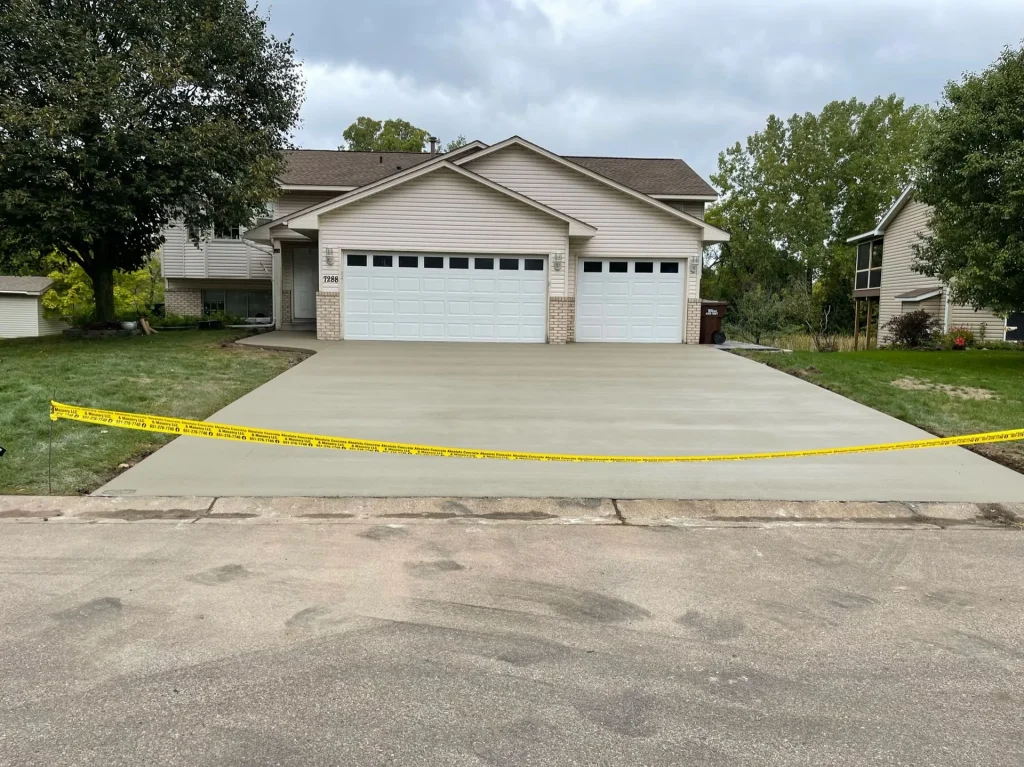
Concrete Driveway Installation Near Charles M. Schulz-Highland Arena in St. Paul
The neighborhoods surrounding Charles M. Schulz-Highland Arena sit on some of the most established residential blocks in St. Paul. Streets like Ford Parkway and Montreal Avenue are lined with mid-century homes built before attached garages were standard. That means a lot of driveways in this area are narrow, cracked, or were poured decades ago with materials that have long since worn out.
If you live near the arena, your driveway has probably been through a lot of Minnesota winters. We’re out in this part of St. Paul constantly — and we see the same story on block after block.
Highland Park gets hit hard by freeze-thaw cycles every year. Water seeps into small cracks, freezes overnight, and pushes the concrete apart from the inside. By spring, what started as a hairline crack becomes a chunk missing from the edge — or a slab that shifts underfoot. Homes within a few blocks of the arena, especially those on the quieter side streets off Hamline Avenue, show this pattern regularly. Once damage reaches that stage, a full concrete replacement is often the most practical fix.
New concrete driveways in this part of St. Paul need to be planned with the local climate in mind. That means using a proper base layer to handle soil movement, controlling joints so cracking happens where you want it, and finishing the surface with the right texture for traction during icy months. A smooth finish looks clean in photos but becomes a hazard when January hits. Broomed finishes are standard here for a reason — they grip under snow and ice without looking rough or unfinished.
Root intrusion is one of the most common reasons we see concrete failures in this neighborhood specifically. So how do you know when it’s time to call? If your slab is heaving unevenly or you’ve got cracks running diagonally from the corners, roots are usually the first thing we check. Give us a call and we can usually tell you within a few minutes whether what you’re describing warrants a look.
Many homes near the arena have tight lot lines and mature trees with root systems that run close to the driveway edge. When roots push up under a slab, the damage spreads fast. Before pouring on a replacement project near here, we check the root situation so the new driveway has the best chance of lasting. Sometimes that means adjusting the driveway layout slightly or adding a root barrier along the edge closest to the tree line. Most of the homes along the quieter blocks off Montreal Avenue were built in the 1950s — and that means the boulevard trees out front have had sixty-plus years to grow into everything, including the concrete.
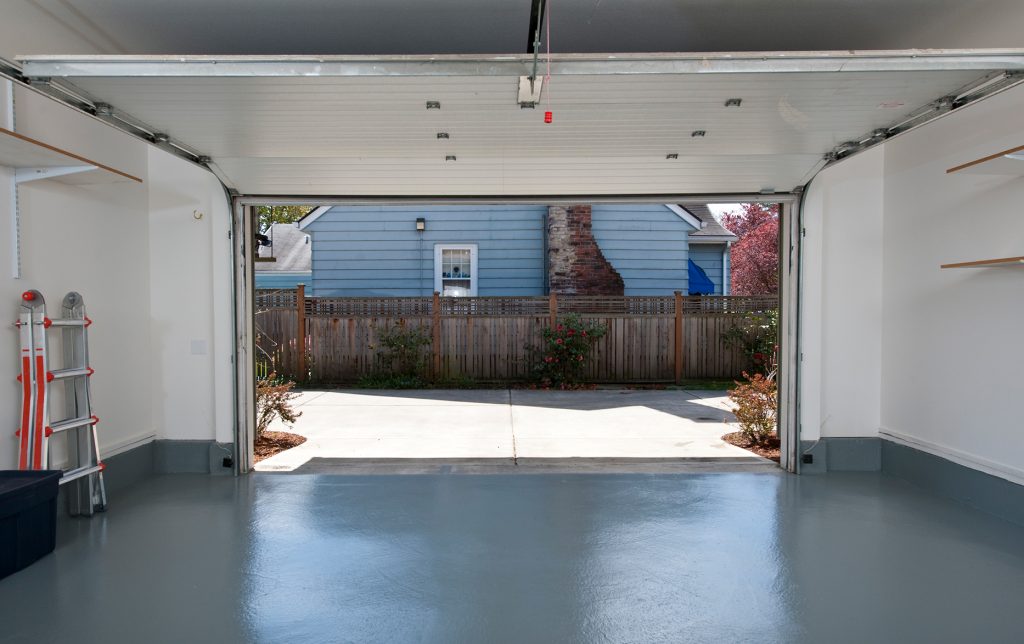
The Highland Park area also has a mix of driveway configurations. Some homes have single-car strips that run alongside the house to a detached garage in the back. Others have wider aprons that were added later and don’t always match the original concrete in thickness or grade. On driveways in this area, we look at the full run — from the city curb cut to the garage pad — to make sure the slope drains away from the structure correctly. Poor drainage is a quiet problem that shows up as water pooling near the foundation or ice sheets forming at the base of the garage door each winter.
Heaving, wide cracks, surface scaling — those are signals worth acting on before another winter adds to the damage. Concrete work in St. Paul has a seasonal window. The best installation conditions run from late spring through early fall, when ground temperatures are stable and the concrete can cure without the risk of a hard freeze interrupting the process. We’re licensed in Minnesota and have been doing this work in St. Paul long enough to know that waiting on a damaged slab through one more winter usually costs more in the end.
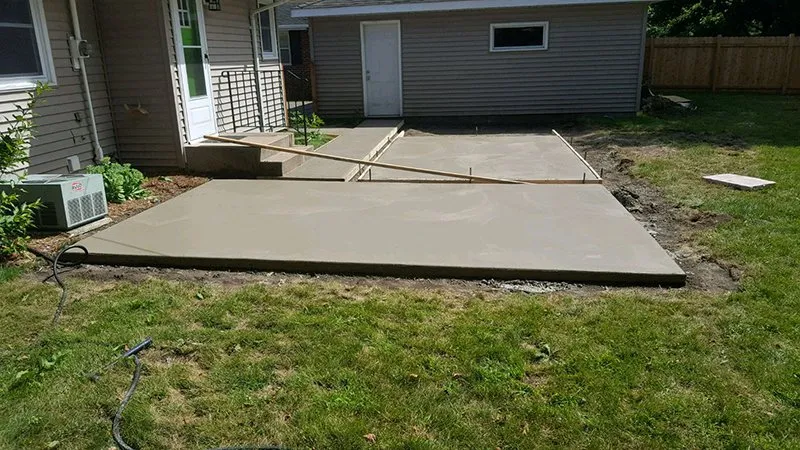
Winter also shapes how we plan Highland-area jobs. The arena draws heavy traffic during hockey season, and the surrounding residential streets see significant foot and vehicle traffic during events. So we schedule concrete pours around those windows when possible. Frost depth in this part of St. Paul runs deep — the Highland bluff area can see frost penetration well below the standard four-inch slab depth, which is why proper base preparation matters so much here. We also make sure all work near utility corridors follows general requirements for wiring methods to avoid conflicts with underground infrastructure. We account for that in every project near the arena.
Getting to your property efficiently means we arrive ready to work. Not spending the first hour figuring out access.
That’s the advantage of knowing the Highland area well. We’ve worked on a lot of the driveways in this neighborhood — we know what the lots look like, how the alleys run, and where the grade gets tricky near the bluff. Your driveway might sit on a flat lot near the arena parking corridors or on a sloped parcel closer to the river bluff — either way, we’ve worked similar conditions on nearby streets before.
How Our Team Reaches the Highland Arena Area
We work in the Highland area regularly. Knowing these streets makes a real difference when we’re hauling a concrete truck or coordinating a delivery for a driveway project.
The neighborhoods around Charles M. Schulz-Highland Arena sit on the bluffs above the Mississippi River. The streets here have character — and a few quirks worth knowing before you show up with heavy equipment. From our base in St. Paul, we typically head south on Snelling Avenue toward Ford Parkway. Ford Parkway is one of the main east-west corridors through Highland Village. We follow Ford Parkway west until we reach Montreal Avenue, then turn south — Montreal Avenue runs directly past the Highland Arena and through the residential blocks that surround it. This route keeps us off the tighter side streets until we know exactly where we’re going on your property.
Coming from the east side of the city, we’ll often take I-94 west to Snelling Avenue South, then connect to Ford Parkway from there. That stretch along Ford Parkway passes the Highland Village shopping area — a useful landmark when we’re confirming we’re in the right pocket of the neighborhood. If you’re near Highland Village, we can usually be there in about 15 minutes from our end. From there, it’s a short jog south to the arena and the surrounding residential streets.
That matters for concrete work. Really.
The homes near the arena sit on mature lots with established trees and older infrastructure. Many driveways in this part of St. Paul were poured decades ago and run close to large boulevard trees with root systems that push up against existing slabs. Scoping a job in this area means paying attention to root proximity, soil conditions near the bluff edge, and how the grade of the lot drains toward the street or alley. Highland’s older grid layout means some properties have narrow access points or alleys behind the home — details we confirm before any equipment is dispatched.
Streets like Hamline Avenue, Kenneth Street, and Edgcumbe Road are common cross-streets we work through when reaching properties in this zone. Edgcumbe Road in particular runs along the edge of the bluff and connects several Highland-area neighborhoods. Sound like your situation? Homes along these corridors often have long driveways that were originally built for single-car garages — a common layout in St. Paul’s mid-century residential blocks. Replacing or widening those driveways requires careful planning around utility lines, setback requirements, and the slope of the lot.
frequently asked questions
We serve the full Highland Arena area, including the quieter side streets off Montreal Avenue and Hamline Avenue. We know this neighborhood well — the narrow lots, the alley-access garages, the tight turns on Kenneth Street. If your home sits within a few blocks of the arena, we can get there and scope your driveway without any guesswork.
Diagonal corner cracks near the arena are usually a root problem, not just normal wear. The boulevard trees along streets like Montreal Avenue have had sixty-plus years to grow under existing slabs. We check root proximity before any pour so your new driveway has the best chance of lasting. Sometimes a small layout adjustment or root barrier makes all the difference.
Late spring through early fall is the best window for concrete work near the Highland Arena. St. Paul's freeze-thaw cycles make cold-weather pours risky — a hard freeze can interrupt the curing process. Scheduling before fall gives your new driveway time to fully cure before January ice and snow arrive on streets like Ford Parkway and Montreal Avenue.