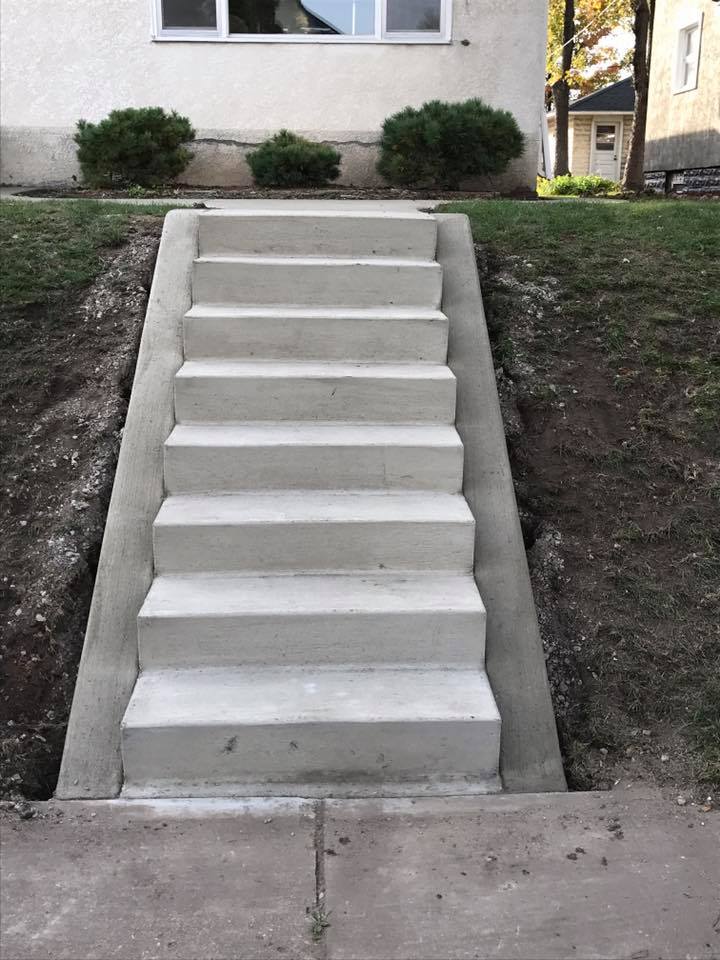
Concrete Driveway Work for Homes Near the Snelling Ave Corridor
The Snelling Ave Corridor runs through one of the most established residential stretches in St. Paul. The homes here were built decades ago — many in the 1920s through 1950s — and the driveways that came with them are showing their age. Cracked slabs, sunken sections, surfaces patched too many times. These are common sights along the side streets between Snelling and Highland Parkway. If you live in this part of Highland Park, you already know what Minnesota winters do to old concrete.
The freeze-thaw cycle here is relentless. Water gets into small cracks in late fall, freezes, expands, and breaks the slab apart from the inside. By the time the snow melts in March, what looked like a minor crack in October has turned into a heaving, crumbling mess. Homes near the Snelling Ave Corridor sit on clay-heavy soil that shifts with moisture and temperature changes — and that soil movement puts extra stress on older slabs that were never poured thick enough to handle it long-term.
We’re out on these blocks regularly, and the pattern is almost always the same: a homeowner who patched the same section two or three times before finally calling us. A lot of the driveways in this neighborhood were originally poured at three inches or less. That matters. Modern residential concrete driveways are typically poured at four inches minimum — five inches in areas with heavier vehicle traffic or problematic soil. Homeowners researching what a concrete driveway replacement actually costs often find that proper thickness and base preparation account for a significant portion of the budget — and skipping those steps is exactly what leads to early failure. When we work on a driveway near Snelling Ave, we account for existing soil conditions before we pour anything. Proper excavation, a compacted gravel base, concrete that’s mixed and cured to hold up through multiple Minnesota winters. That’s the baseline.
Lot sizes in this part of Highland Park also shape the work. Many homes along the streets between Snelling Ave and Hamline Ave have narrow single-car driveways built when cars were smaller. Homeowners here often ask about widening to a standard two-car width, adding a small apron at the garage, or extending the slab to create a turnaround area — practical upgrades that make daily life easier, especially on streets where parallel parking is limited and backing out onto a busy cross-street requires more room to maneuver.
Permitting is part of the process in St. Paul. The city requires a permit for driveway replacement and has specific rules about how much impervious surface a residential lot can have. Widening an existing driveway or adding square footage? Those calculations matter. We pull the permit and handle that process — you don’t have to figure it out on your own. Especially relevant for homes near this corridor where lot coverage rules apply and inspectors are active.
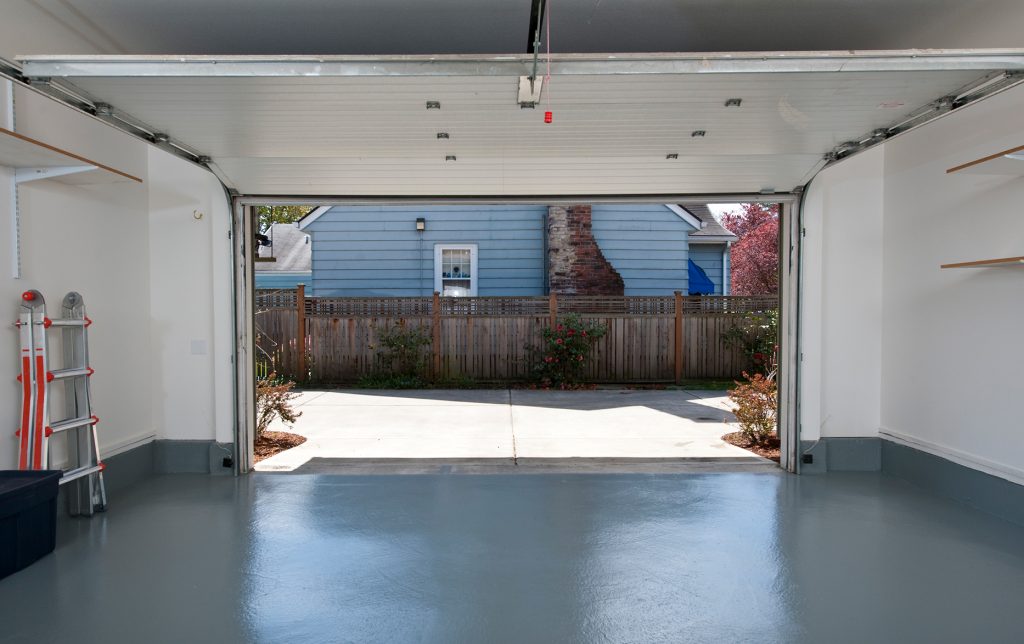
Curb cut access is another detail that comes up frequently in this area. Many of the older homes along the Snelling Ave side streets have curb cuts installed under older city standards. When a driveway gets replaced, the city may require the curb cut to be brought up to current specifications. That work gets coordinated with the city and factored into the project from the start — not discovered as a surprise after demolition begins. If that’s a concern, give us a call before you commit to anything and we can tell you what to expect.
Sound like your situation? Concrete driveways in this part of St. Paul aren’t just a cosmetic upgrade. They add usable space, reduce the ongoing cost of patching and sealing failing asphalt or old concrete, and hold up better against the specific conditions this neighborhood deals with every year. If your driveway is cracking, heaving, or draining poorly — a full replacement makes more long-term sense than another round of repairs.
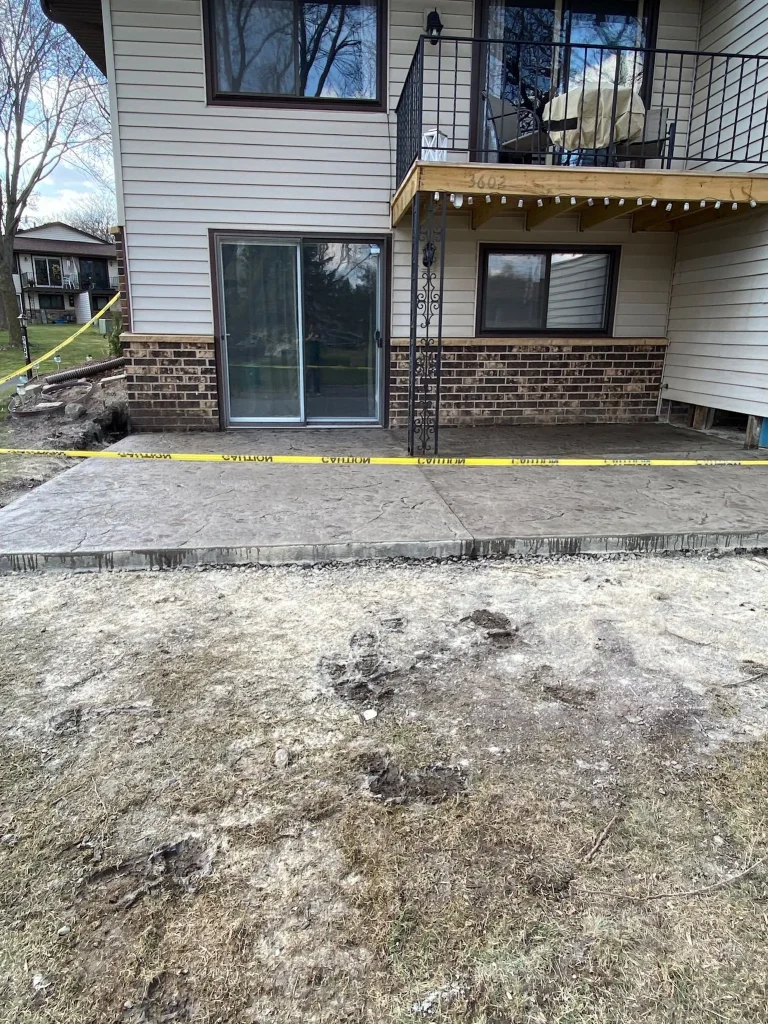
Parking and staging space is something we always plan around in Highland Park. Lots here tend to be narrower than in newer suburban developments. We place equipment carefully so we’re not blocking the street or a neighbor’s access. We’ve done this enough times in this corridor that we know to ask the right questions before we arrive — driveway width, proximity to the sidewalk, whether there’s a tree root issue near the apron.
The Highland Park area also sits close to the Ford Site redevelopment on the former Ford Motor Company plant land along the river. That project has brought additional traffic and construction activity to the southern end of the neighborhood. So we factor that into our routing when scheduling jobs near Cretin Ave or the southern blocks closer to the river bluffs. Small detail. But it’s the kind of local awareness that keeps our crew on time and your project on schedule.
If you’re on the western edge of the neighborhood near Davern Street or closer to the Highland National Golf Course, we reach you by cutting west off Snelling onto Bohland or Montreal Ave. That stretch has some of the larger lots in the neighborhood, and the driveways there often reflect that — longer runs, wider pads, sometimes a detached garage setup that adds real complexity to the job scope.
How Our Team Reaches the Highland Park and Snelling Ave Area
We work across St. Paul regularly. The Highland Park and Snelling Ave corridor is territory we know well — mature trees lining the boulevards, older lots with narrow side yards, driveways poured decades ago. We come prepared for what we’re likely to find.
Our crew typically approaches Highland Park from the east via Ford Parkway. We follow Ford Parkway west from South Robert Street, cross over the Mississippi River bluff edge, and drop into the neighborhood from the upper end. That route keeps us off the congested downtown corridors and gets us directly into the residential streets without unnecessary detours. From Ford Parkway, we turn south on Snelling Ave to reach most of the central and southern portions of the neighborhood.
Snelling Ave itself is the main north-south spine through this part of St. Paul. It runs through the commercial stretch near Highland Village — the cluster of shops and restaurants around Ford Parkway and Snelling — then continues south through quieter residential blocks. Many of the driveways we work on sit just off Snelling, on cross streets like Bohland Ave, Pinehurst Ave, or Hamline Ave. Typical Highland Park side streets: relatively short blocks, older homes, driveways that often show the effects of decades of freeze-thaw cycles. If you’re near the Highland Village intersection, we can usually be on-site within 20 minutes of leaving our yard.
For jobs on the north end of the neighborhood, near the Snelling Ave and St. Clair Ave intersection, we come in from the north on Snelling directly from I-94. Short travel time, predictable routing — especially on early morning start days when we want to be on-site before the heat of the day sets in. And that timing matters when you’re finishing concrete in Minnesota summers.
St Paul averages more than 50 freeze-thaw cycles per year according to the Minnesota Department of Transportation, and the elevated terrain here means temperatures drop faster at night than in lower-lying parts of the city. Concrete poured without the right air-entrainment mix won’t survive more than a few seasons of that. The mix design matters as much as the installation. Highland Park homeowners who’ve replaced driveways before often mention that the first contractor used the wrong mix. Getting the concrete spec right for this climate isn’t optional — and it’s something we’ve dialed in specifically for what this neighborhood throws at a slab every winter.
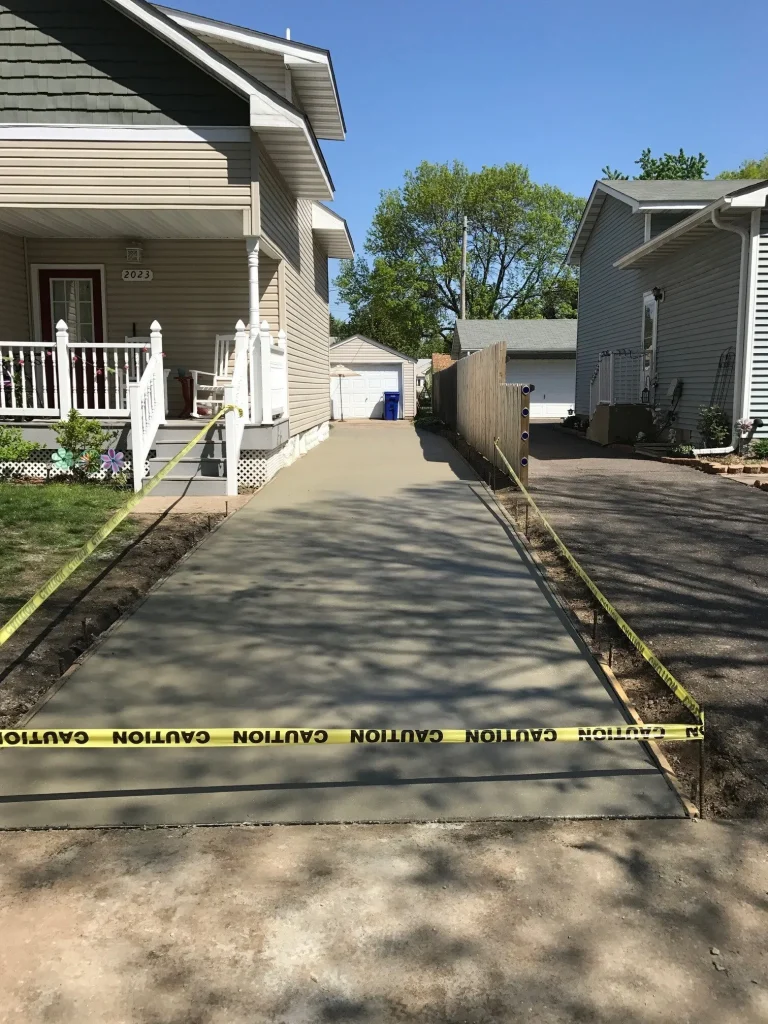
Alley-access properties are also more common here than in newer parts of St Paul.
Homes near the Snelling Ave Corridor frequently have detached garages accessed from the alley rather than from the street. That means driveway work sometimes involves apron replacement, alley approach repairs, or new concrete pads behind the garage rather than a traditional front driveway. We’ve worked on a lot of these setups in Highland Park — we know the city requirements, we know how the alleys in this neighborhood were originally platted, and we know the site conditions well enough that nothing catches us off guard. Each of those jobs has its own set of city requirements and site conditions — specific to how Highland Park was originally developed, and not something you can shortcut your way around.
What Makes Highland Park Driveways Different from the Rest of St Paul
Highland Park sits on higher ground than most of St Paul. That elevation matters more than people realize — the bluff terrain along the Mississippi River gorge creates drainage patterns that push water toward driveways in ways you don’t see in flatter neighborhoods like Frogtown or the East Side. When snowmelt runs downhill in March, it has to go somewhere. If your driveway isn’t graded and sloped correctly, that water pools at your garage slab and works its way under the concrete all winter long.
The soil here adds another layer of complexity. Highland Park sits on a mix of clay-heavy glacial till and sandy river deposits left behind by the ancient Mississippi floodplain. Clay soil expands when it absorbs moisture and contracts when it dries out. That constant movement is one of the main reasons driveways in this neighborhood crack faster than homeowners expect — a slab poured without proper base preparation on this soil won’t last. Proper sub-base compaction and the right concrete thickness make the difference between a driveway that holds up for decades and one that starts heaving within five years.
This is one of those areas where the age of the housing stock changes almost every aspect of the job. Many homes along streets like Edgcumbe Road, Hillcrest Avenue, and the blocks running west toward Hamline Avenue were built between the 1920s and 1950s. Those properties often have narrow single-car driveways that no longer fit how families actually use them. Widening a driveway here isn’t just a concrete job — it means working around mature boulevard trees, matching existing curb cuts, and sometimes coordinating with the City of St Paul on right-of-way permits before a single yard of concrete gets poured.
The tree canopy along Highland Parkway and the streets feeding into it is one of the things residents love most about this neighborhood. It also creates real challenges for driveways. Large elm and oak root systems run shallow and wide. Roots from boulevard trees can lift and crack a concrete slab from below within a few years if the driveway layout doesn’t account for them. Knowing where to cut, where to leave roots undisturbed, and how to design the slab edge to flex rather than fight the root system — that’s knowledge that comes from working in this specific area, not from a general concrete textbook. We’re licensed with the City of St. Paul and have been doing this work here long enough that the tree situations don’t catch us off guard.
frequently asked questions
We work all through this area — Bohland Ave, Pinehurst Ave, Hamline Ave, and the cross streets running between Snelling and Highland Parkway. These are blocks we're on regularly. If you're near the Highland Village intersection at Ford Parkway and Snelling, we can typically be on-site within 20 minutes of leaving our yard.
Most likely, yes. Homes in this part of Highland Park sit on clay-heavy soil that shifts with moisture and temperature changes. That movement stresses older slabs — especially ones originally poured at three inches or less. Patching the same section repeatedly won't fix the base. Proper excavation and a compacted gravel base are what actually solve it.
Yes — St. Paul requires a permit for driveway replacement, and widening adds impervious surface that triggers additional city rules. This comes up often near the Snelling Ave corridor, where lot coverage limits apply and inspectors are active. We pull the permit and handle that process for you so nothing gets missed before work starts.