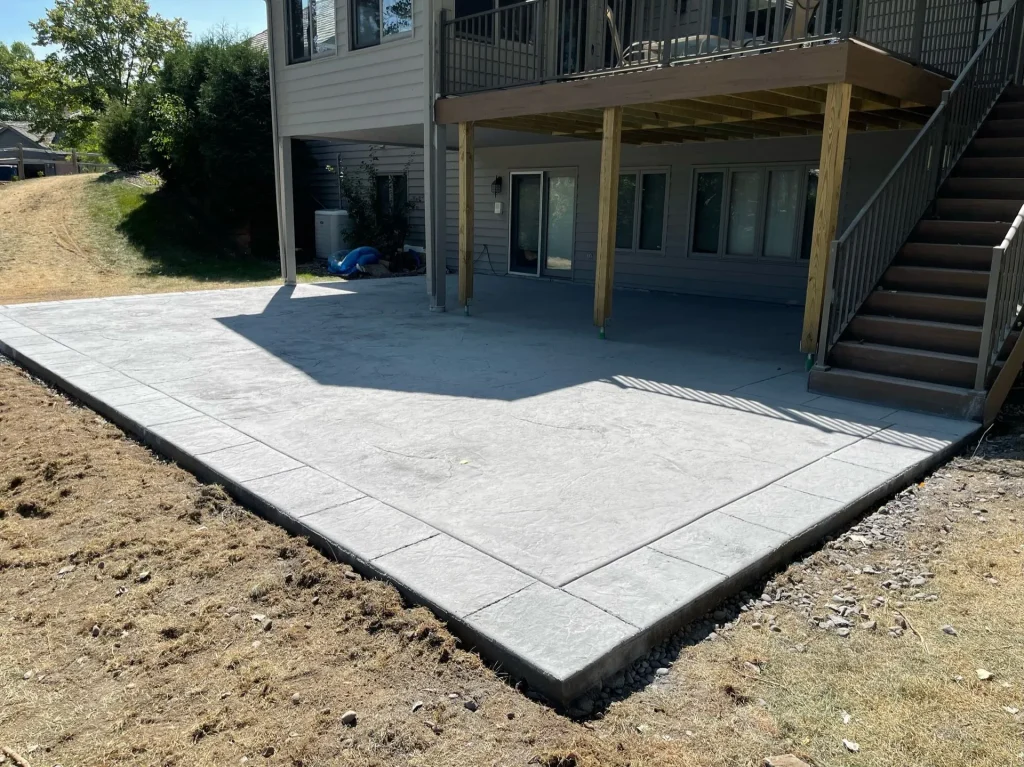
Concrete Driveway Work for Homes Near St. Catherine University
The residential streets surrounding St. Catherine University have a distinct character. You’ll find a mix of early 20th-century Craftsman bungalows, brick Tudor-style homes, and post-war ramblers — many sitting on narrow lots with short driveways that run straight to a detached garage out back. These driveways were often poured decades ago. Some are original concrete that’s been patching and cracking for years. Others were replaced with asphalt at some point and are now showing their age.
We’re out in this part of St. Paul regularly enough to know what those driveways look like before we even pull up to the curb. Homes here need a concrete installer who understands what these properties actually look like — not someone working from a generic suburban template.
Soil conditions here matter more than most homeowners realize. The St. Catherine University neighborhood sits in a zone where clay-heavy soil is common. Clay expands when it absorbs moisture and contracts when it dries — that cycle puts real stress on a concrete slab over time. A properly installed driveway needs adequate base preparation — compacted gravel sub-base at the right depth — before a single yard of concrete goes down. Skipping that step is one of the main reasons older driveways in this neighborhood fail early. If you’ve watched your current slab heave and crack through a few Minnesota winters, poor base prep is likely why. It’s worth talking through what’s underneath before committing to any surface replacement — give us a call and we can walk you through what to look for.
Frost depth shapes every concrete job we do near St. Catherine. Minnesota’s frost line sits around 42 inches. When ground moisture freezes and expands below a slab, it pushes upward. Driveways poured without the right thickness — typically four inches minimum for residential, five or six if you’re parking heavier vehicles — tend to crack along the edges first. Most of the homes on Fairmount Avenue and the surrounding blocks were built in the early 1900s, and that means original driveways poured thinner than current standards. Replacing them with properly reinforced concrete at the right thickness makes a visible and lasting difference.
Lot layouts near St. Catherine also create specific installation challenges. Many properties have a public sidewalk running between the street and the driveway apron. That apron — the section connecting your driveway to the street — is subject to City of St. Paul right-of-way rules. Any work touching or replacing that apron requires a permit and must meet city specifications for slope and thickness. We pull those permits and handle the coordination — licensed and operating in St. Paul for over a decade. You don’t have to figure out what the city requires on your own.
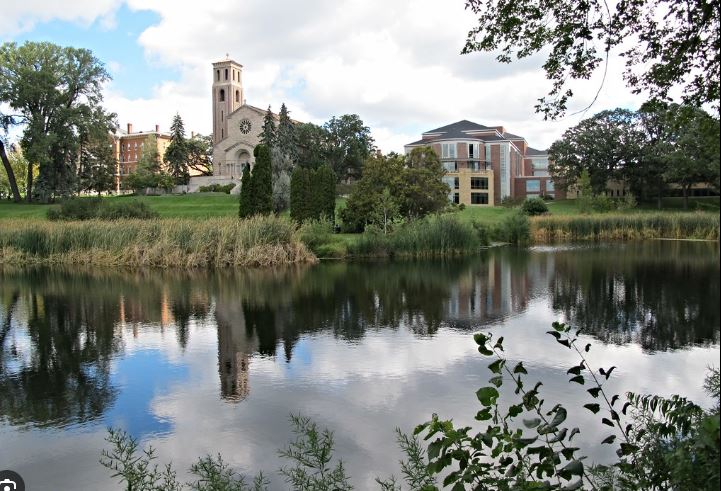
Driveway widths in this neighborhood vary more than you’d expect. Some homes were built when a single-car garage was standard, leaving a driveway just nine or ten feet wide. Others have been widened informally over the years with mismatched materials. Sound like your situation? Replacing an old driveway is the right moment to widen it — pouring a wider apron and extending the slab toward the garage gives you more usable space without a second mobilization cost later.
Decorative options work well on the homes in this area too. The architectural style of many St. Catherine University-area properties pairs naturally with a broom-finished concrete surface or a simple exposed aggregate border. These finishes add texture without looking out of place on a century-old streetscape. You want something that fits the neighborhood’s look while still performing through freeze-thaw cycles — those are the finishes worth a closer look.
Mature trees are common on these blocks — elms, oaks, and maples with root systems that can run under an existing driveway. We’ve opened up enough slabs in this neighborhood to know that’s not a hypothetical. Before any pour, we check root proximity. Cutting through major roots during excavation can damage a tree that’s been growing on that lot for sixty years. That conversation happens before work starts, not after.
Permits are required for driveway installation in St. Paul. The City of Saint Paul’s Department of Safety and Inspections handles residential driveway permits, and work near the public boulevard — the strip between the sidewalk and the street — follows specific city guidelines on apron width and materials. Homes in the St. Catherine University area typically have a concrete or brick sidewalk running along the front of the lot. Any new driveway installation needs to tie in cleanly at that point without disrupting the existing walk or city-owned curb cut.
If your home sits on Randolph, Fairmount, or one of the quieter cross streets between Cleveland and Prior, a new concrete driveway is one of the more durable improvements you can make to the property. The neighborhood has strong long-term value. A well-installed driveway built for Minnesota conditions will serve the home for decades.
Concrete Driveway Installation for Homes Near St. Catherine University
The residential streets surrounding St. Catherine University have a character you won’t find anywhere else in St. Paul.
Homes on Fairmount Avenue, Randolph Avenue, and the side streets threading through the Mac-Groveland neighborhood sit close together on narrow lots. Most were built in the early 1900s. Their driveways reflect that age — cracked asphalt, heaving concrete slabs, gravel strips that have seen better decades. If your driveway looks like it belongs to a different era, you’re not alone on this block.
The foot traffic and vehicle patterns near St. Catherine University create specific wear conditions. During the academic year, street parking fills up fast. Residents with a solid concrete driveway can pull off the street entirely and skip the daily competition for curb space along Cleveland Avenue. That’s a real, practical advantage when classes are in session and the neighborhood gets busy.
Here’s why concrete holds up well in this part of St. Paul. The soil in Mac-Groveland has areas of clay-heavy ground that shifts with freeze-thaw cycles. Minnesota winters are hard on any surface, but a properly poured concrete driveway — with the right base preparation and control joints — handles that movement far better than asphalt or loose gravel. Older asphalt driveways in this neighborhood buckle along the edges or develop long, branching cracks from years of frost heave. Concrete, installed correctly, resists that pattern.
Lot sizes near St. Catherine tend to be modest. Most driveways here are single-width or slightly wider, running straight back from the street to a detached garage. That layout is actually well-suited to concrete — a clean, single-pour slab with defined edges looks sharp against the older Craftsman and Tudor-style homes lining streets like Fairmount and Goodrich. It adds structure to a front yard without overwhelming the scale of the property.
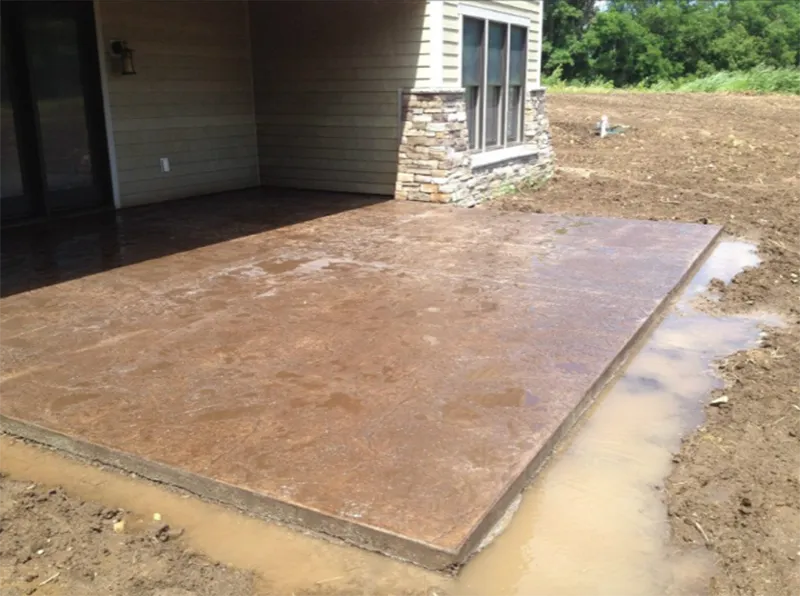
The homes in this part of St. Paul sit on lots developed mostly between the 1920s and 1950s. Original driveway aprons, older curb cuts, clay-heavy soil underneath — that’s what we expect to find. This is one of those areas where the combination of mature tree roots and decades-old clay sub-base makes the prep work matter more than the pour itself. Moisture management below the slab is a factor that’s easy to overlook — research on below-grade water management in older construction helps explain why that sub-base preparation is so critical in neighborhoods like this one. When our crew arrives at a job near campus, we come prepared for settled or cracked concrete that’s been dealing with decades of Minnesota freeze-thaw cycles. The right base materials, the right mix, enough crew to work efficiently on a tight residential lot.
If you live on the west side of the neighborhood — closer to Snelling Avenue or near the Macalester-Groveland border — the route adjusts slightly, but the approach stays the same. We’ve worked on Fairmount Avenue, on the blocks just north of Randolph, and on the quieter stretches closer to the Mississippi River bluffs. These streets aren’t new territory for us.
It’s a regular part of how we serve the west side of St. Paul.
How Our Team Reaches the St. Catherine University Area
We work in the St. Catherine University neighborhood regularly. The streets around campus have a specific rhythm — heavy foot traffic near Randolph Avenue, college move-in congestion in late August, and residential blocks that mix older bungalows with newer infill homes. Pull up almost any block between Cleveland and Prior and you’ll find at least one driveway that’s been patched more times than it should have been. We know what to expect when we pull a truck and trailer into this part of St. Paul.
Getting to most jobs near St. Catherine means coming in from the west on Randolph Avenue or the north on Cleveland Avenue. Both are main corridors we use often. Cleveland runs directly along the eastern edge of campus and connects quickly to the residential streets just south of Summit Avenue — where a lot of our concrete driveway work happens.
Here is how we typically route to the St. Catherine University area from our base:
- Head east on I-94 toward St. Paul
- Exit at Cretin Avenue and head south
- Continue south on Cretin past the University of St. Thomas campus
- Turn left on Randolph Avenue heading east
- Turn right on Cleveland Avenue — St. Catherine University’s main entrance is on your left
- From Cleveland, we branch onto residential streets like Fairmount, Wellesley, or Hamline Avenue depending on the job location
If you’re near the Cretin-Derham Hall building on Randolph, we can usually be there in about 20 minutes from our base. Once we pass it heading east, we’re close to the heart of the neighborhood. Short blocks, mature trees, and driveways that often haven’t been replaced since the homes were built fill in fast from there.
Parking a concrete truck and equipment trailer on these residential streets takes planning. Many blocks near the university have parking restrictions, especially during the academic year. We check street conditions and parking rules before we arrive — no scrambling on the day of your pour. If your home sits on a narrow block between Randolph and Jefferson Avenue, that factors into how we stage equipment and materials.
frequently asked questions
Yes, we work in Mac-Groveland and the streets around St. Catherine University regularly. We know Fairmount Avenue, Randolph Avenue, and the side streets well. We understand the narrow lots, detached garages, and older home styles here. You get someone who already knows what your property likely looks like before we arrive.
It is most likely a base preparation problem made worse by the clay-heavy soil common in this neighborhood. Clay expands when wet and shrinks when dry. That cycle stresses your slab from below. Without a compacted gravel sub-base at the right depth, even a newer driveway will heave and crack through Minnesota winters. Fixing the base is the real solution.
Yes, any work touching the apron along St. Paul's right-of-way requires a permit. The city sets specific rules for slope and thickness in that section. We pull those permits and handle coordination with the city directly. You do not have to figure out St. Paul's requirements on your own — we take care of it as part of the job.